
Copyright Samaritan Protective Services, Woodbridge, Virginia
International Travel Security: Considerations for a Safe Journey
International travel can be an enjoyable and productive part of life for personal and professional reasons. For the most part, everyone has to travel at some point to support business, organizational priorities or maybe just a family vacation. Whether a veteran business traveler or new passport holder eager to see the world, there are some active steps to help reduce risk. We will discuss some key security and wellbeing considerations while also sharing resources to help ensure a safe and effective trip.
- Situational Awareness & Blending In: Situational awareness is a learned skill that everyone should develop. Simply being aware of your surroundings and identifying if you may be followed or surveilled can give valuable time to seek assistance or safety. If something doesn’t feel right, it probably isn’t. Listen to your gut instinct, as it could save your life. Additionally, you might be a tourist, but you shouldn’t look like one. Take note and do research on the area you are visiting, how the public dresses and local customs. In most situations it is quite easy to spot someone that is not a local. Opportunistic criminals may specifically target tourists or foreign business travelers due to the perceived ease of access and vulnerability. Make yourself a “hard target”.
- Document Control: Never surrender your passport or other important documents to anyone that cannot be verified. If your passport is lost or stolen, contact your country’s nearest embassy or consulate for emergency assistance.
- Political Considerations:
- Corruption & Social Concerns: Many countries have a serious problem with corruption that can affect the safety, security and freedom of movement for foreigners. Additionally, there may be socially acceptable activities in one country that are severely restricted, banned or could put an individual in legal peril in another. For example, there are some countries in which LGBTQ activities could result in prison or worse. Contact your embassy or consulate for additional information.
- Government Stability: Some countries are suffering from internal strife, potentially threatening their very existence. The fall of a government would pose many challenges and potential security risks to a traveler. There could be rioting, destruction of infrastructure, a military takeover or loss of basic public services. As an example, just this month the President of Sri Lanka resigned and fled the country due to failed domestic and economic policies, leaving a power vacuum. It is advised to research and assess the nation’s government stability before travel.
- Civil Unrest: Along with the previously mentioned government stability, other social and economic consideration could lead to demonstrations and/or civil unrest. France, for example, is well known to have frequent labor strikes and demonstrations that lead to property damage, transportation shutdowns and even violence. Find out what the geopolitical landscape and local issues of the country are, along with planning mitigation strategies prior to your trip.
- Intelligence Gathering & Cyber-Security: There are many countries that are not as open and trusting with foreigners. Additionally, some nations actively conduct surveillance, intelligence gathering and signals interception against Western guests. If your travels take you to “unwelcome” territory, you can be all but certain that your accommodations are bugged for listening and/or video recording and more than likely being surveilled. In countries such as North Korea, Russia and Iran, surveillance and control of incoming and outgoing communications is prevalent.
Crime Statistics
- Types of Crimes and Targeted Demographics: Crime statistics and types change dramatically with location. For example, Mexico City has a higher rate of petty crimes and theft than Copenhagen. It’s imperative to analyze and be familiar with who is conducting crimes, those typically targeted and assess whether you could fall within the risk spectrum.
- Area Specific Crimes: There are areas within countries and even individual cities that have varying levels and types of crime. Some areas might have increased drug related crimes, others may have kidnapping risks to foreigners. Crime is also frequently different between urban and rural areas. It’s important to have an understanding of the risks associated with the specific areas to be traveled.
Terrorism Risks: Unfortunately, there are very few places in the world that have little to no risk of terrorist activity. Often, terrorist attacks are initiated in heavily populated areas such as shopping centers, sports arenas or places of worship. Also, a specific demographic may be targeted. Ensure you have as much information about the overall risk as possible. There are numerous publicly available resources to gain valuable information; some are at the bottom of this article.
Food & Water Safety: Food security and water safety standards are not universal. Some countries, particularly developing nations, have very few food safety regulations and policies. Know where your food is coming from and who prepared it. If in doubt about the safety of the water source, stick with sealed bottled or canned water/drinks. Dry or packaged foods are typically safer due to factory sealing. Avoid raw or undercooked foods that may contain pathogens. If prepared food is considered, ensure it is served hot, as high heat kills the majority of germs that cause illness.
Road Safety & Public Transportation: If you will be driving, be cognizant that road surfaces may not be up to the standard you are accustomed in your home country. As an example, Switzerland has some of the best road surfaces and lowest traffic accidents in the world. In comparison, Madagascar is known to have few paved and safe roads to travel on. If using public transportation, be knowledgeable about the safety record of the subway systems, buses and taxi services. Some older systems in less developed countries do not meet the stricter safety requirements that most are used to in the West.
Availability & Access to Healthcare: Falling ill or suffering from an injury in another country can be frightening and potentially life threatening. Does the host country have adequate and available healthcare? Does your insurance provide coverage for services outside of your home country and are there provisions for emergency evacuation? This is an important consideration that most people forget.
Key Points of Contact: It is very important to have names, numbers and addresses of key contacts within the area of travel. Save contact information for consulates and embassies. Also, know how to reach emergency services. In the United States, the number is 911 but, in the UK, it is 999. Ensure that someone (friends, family or business associates) know where you are and have a way to contact you. In times of emergency, seconds count and knowing how to contact help is critical.
Emergency Evacuation: A key component of any security and risk management plan is to have a way out. Are plans and assets in place to hasten your departure due to an emergency, civil unrest or illness? Do you have an open-ended transportation ticket? Who will you contact to assist evacuate you, your colleagues or loved ones?
Online Resources:
- Overseas Security Advisory Council (OSAC) – Provides detailed information on the security, geopolitical and crime statistics on countries around the world.
- U.S. Department of State – Issues travel alerts based on updated and relevant information on crime, terrorism, health concerns and more.
- CIA World Factbook – A wealth of general information on the history, political nature, geography and people of a country.
- UK Foreign Office – The same principle as the U.S. Department of State advisories for travel. Another great source of country specific information and security concerns.
Samaritan Protective Services has the trained personnel, operational experience and assets to meet the unique needs of clients nationally and globally. If you or your organization is in need of a quality and comprehensive travel security program, contact us today. Samaritan’s team of professional risk managers will discuss our portfolio of risk management solutions and how a strategic partnership with us can provide value and peace of mind.

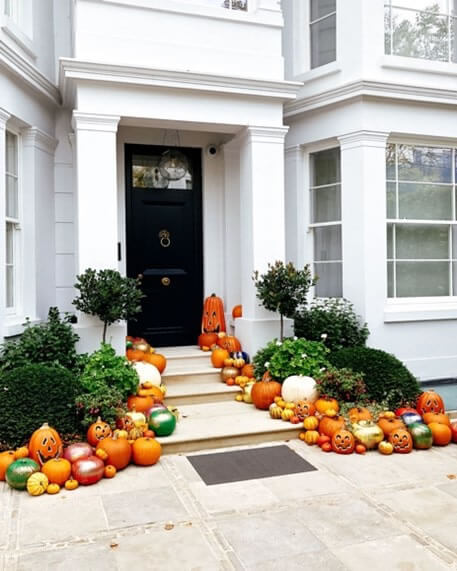 An illuminated home implies that it is occupied. Turning interior and exterior lights on is a powerful deterrent to vandals, pranksters and those wishing to use the cover of darkness for nefarious reasons. If you have a lighted sidewalk or security lights, this can also aid in preventing trick-or-treaters from trips and falls. If you will not be home on Halloween night, consider installing a timer device on some lights to automatically turn on at a predetermined time.